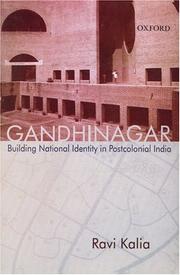
Gandhinagar
by Ravi Kalia
No reviews yet
First published: 2004
1 language
ISBN: 9781570035449
Description
"Exploring the impact of modernist architecture on India as a whole, Kalia suggests that the style gained acceptance because its parsimonious designs and unadorned spaces never represented a threat to a religiously pluralist country anxious to create a secular identity. He explains how two competing versions of Indian history and ideology - Gandhi's and Jawaharlal Nehru's - employed modernism's ideals for their own separate ends. Serving two masters, as Kalia illustrates, created constrictions and tensions evident in the building of Gandhinagar and in the careers of many Indian architects, including Doshi, Charles Correa, and Achyut Kanvinde."--BOOK JACKET.