Kicking away the ladder
No reviews yet
First published: 2002
2 languages
ISBN: 9781839983061
Description
Kicking Away the Ladder
Kicking Away the Ladder: Development Strategy in Historical Perspective is a 2002 book by economist Ha-Joon Chang. It examines how now-developed nations achieved their prosperity through interventionist policies and argues that similar tools are often denied to developing countries today. The work challenges orthodox free-market prescriptions in international development economics.
Key facts
Author: Ha-Joon Chang
Published: 2002
Subject: Economic development and policy history
Publisher: Anthem Press
Awards: 2003 Myrdal Prize (European Association for Evolutionary Political Economy)
Historical argument
Chang traces how countries such as Britain, the United States, and Germany industrialized through protectionism, subsidies, and state involvement. He contends that these policies were later obscured as those nations promoted free trade to others. The title metaphor—“kicking away the ladder”—refers to rich countries removing the means that once helped them climb to economic success.
Critique of neoliberalism
The book directly disputes the neoliberal consensus advanced by institutions like the International Monetary Fund and World Bank, which often condition aid or loans on liberalization and privatization. Chang argues that these prescriptions can trap poorer nations in underdevelopment by preventing strategic state intervention.
Reception and impact
Kicking Away the Ladder became a foundational text in heterodox and development economics, influencing debates on trade policy and globalization. It has been cited in policy discussions about economic sovereignty and used as a counterpoint to the World Trade Organization’s free-trade model. The book also helped establish Ha-Joon Chang’s reputation as a leading critic of economic orthodoxy.
Legacy
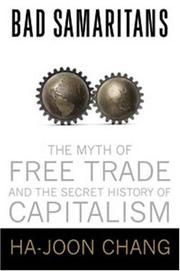
The book’s historical lens inspired follow-up works by Chang, including Bad Samaritans and 23 Things They Don't Tell You About Capitalism. It continues to be assigned in development studies and economic history courses as a challenge to conventional modernization theory.
Kicking Away the Ladder: Development Strategy in Historical Perspective is a 2002 book by economist Ha-Joon Chang. It examines how now-developed nations achieved their prosperity through interventionist policies and argues that similar tools are often denied to developing countries today. The work challenges orthodox free-market prescriptions in international development economics.
Key facts
Author: Ha-Joon Chang
Published: 2002
Subject: Economic development and policy history
Publisher: Anthem Press
Awards: 2003 Myrdal Prize (European Association for Evolutionary Political Economy)
Historical argument
Chang traces how countries such as Britain, the United States, and Germany industrialized through protectionism, subsidies, and state involvement. He contends that these policies were later obscured as those nations promoted free trade to others. The title metaphor—“kicking away the ladder”—refers to rich countries removing the means that once helped them climb to economic success.
Critique of neoliberalism
The book directly disputes the neoliberal consensus advanced by institutions like the International Monetary Fund and World Bank, which often condition aid or loans on liberalization and privatization. Chang argues that these prescriptions can trap poorer nations in underdevelopment by preventing strategic state intervention.
Reception and impact
Kicking Away the Ladder became a foundational text in heterodox and development economics, influencing debates on trade policy and globalization. It has been cited in policy discussions about economic sovereignty and used as a counterpoint to the World Trade Organization’s free-trade model. The book also helped establish Ha-Joon Chang’s reputation as a leading critic of economic orthodoxy.
Legacy
The book’s historical lens inspired follow-up works by Chang, including Bad Samaritans and 23 Things They Don't Tell You About Capitalism. It continues to be assigned in development studies and economic history courses as a challenge to conventional modernization theory.