From Yale to jail
by David T. Dellinger , David Dellinger
No reviews yet
First published: 1993
1 language
ISBN: 9781608990610
Description
The son of a well-to-do Boston lawyer, David Dellinger seemed cut out for a distinguished career in law or government. But rejecting his comfortable background, he walked out of Yale one afternoon during the Great Depression, in his oldest clothes and without any money, to ride the freight trains, sleep at missions, and stand in breadlines. It was while sharing a warming fire on a street corner in a hobo jungle that he first knew that in his own way he would follow the.
Path of Francis of Assisi. Dellinger lived among the poor in Newark, was bloodied in the freedom marches through the South, and led countless hunger strikes in jail. In the "hole" in Danbury prison he faced his own death, to be reborn with courage that would never desert him. Always, he reached out to his antagonist to find a common ground. Dellinger introduced Gandhi's principles of nonviolence to the political street struggles against the Vietnam War, holding together.
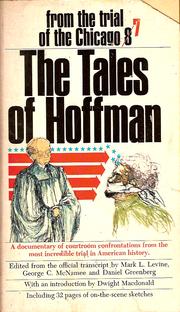
The broad-based antiwar coalition he forged by the sheer force of his personality. In 1968 he held the world spellbound with his cry "the whole world is watching," referring to the media coverage of the Chicago police riot. His life of service to social change had its crowning moment before Judge Julius Hoffman during the Chicago Eight trial, where Dellinger and his co-defendants turned the tables on their accusers to put the government on trial. His recollections of.
Those years shed new light on many of the most crucial events of the 1960s, bringing to life again the drama of those turbulent years. His inside account of what happened in the sixties, and of the people who shaped that decade - Martin Luther King, Jr., Abbie Hoffman, Bayard Rustin, A.J. Muste, Dorothy Day, Jerry Rubin, Joan Baez, and many more - is an indispensable chapter in the story of our time. Above all, From Yale to Jail is a stirring account of an extraordinary.
Spiritual journey, as moving as it is inspiring.
Path of Francis of Assisi. Dellinger lived among the poor in Newark, was bloodied in the freedom marches through the South, and led countless hunger strikes in jail. In the "hole" in Danbury prison he faced his own death, to be reborn with courage that would never desert him. Always, he reached out to his antagonist to find a common ground. Dellinger introduced Gandhi's principles of nonviolence to the political street struggles against the Vietnam War, holding together.
The broad-based antiwar coalition he forged by the sheer force of his personality. In 1968 he held the world spellbound with his cry "the whole world is watching," referring to the media coverage of the Chicago police riot. His life of service to social change had its crowning moment before Judge Julius Hoffman during the Chicago Eight trial, where Dellinger and his co-defendants turned the tables on their accusers to put the government on trial. His recollections of.
Those years shed new light on many of the most crucial events of the 1960s, bringing to life again the drama of those turbulent years. His inside account of what happened in the sixties, and of the people who shaped that decade - Martin Luther King, Jr., Abbie Hoffman, Bayard Rustin, A.J. Muste, Dorothy Day, Jerry Rubin, Joan Baez, and many more - is an indispensable chapter in the story of our time. Above all, From Yale to Jail is a stirring account of an extraordinary.
Spiritual journey, as moving as it is inspiring.