Race, war, and remembrance in the Appalachian South
No reviews yet
First published: 2008
1 language
ISBN: 9780813193007
Description
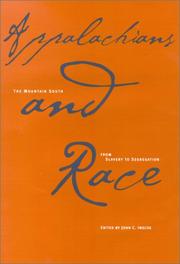
"Among the most pervasive of stereotypes imposed upon southern high-landers is that they were white, opposed slavery, and supported the Union before and during the Civil War, but the historical record suggests far different realities. John C. Inscoe has spent much of his scholarly career exploring the social, economic, and political significance of slavery and slaveholding in the mountain South and the complex nature of the region's wartime loyalties, as well as the brutal guerrilla warfare and home front traumas that stemmed from those divisions. The essays here embrace both facts and fictions related to those issues, often conveyed through intimate vignettes that focus on individuals, families, and communities, keeping the human dimension at the forefront of his insights and analysis." "Drawing on the memories, memoirs, and other testimonies of slaves and free blacks, slaveholders and abolitionists, guerrilla warriors, invading armies, and the highland civilians they encountered, Inscoe considers this multiplicity of perspectives and what is revealed about highlanders' dual and overlapping identities as both a part of, and distinct from, the South as a whole. He devotes attention to how the truths derived from these contemporary voices were exploited, distorted, reshaped, reinforced, or ignored by later generations of novelists, journalists, filmmakers, dramatists, and even historians with differing agendas over the course of the late nineteenth and twentieth centuries."--BOOK JACKET.